GitHub stories
Insurers can now use familiar AI coding tools to build and manage policies in Socotra's platform without bespoke integrations, the company says.
Businesses could soon hand routine office tasks to named AI agents, as CollectivIQ rolls out software that works inside existing workplace systems.
High-end RTX users can now keep sensitive work on-device as Perplexity extends its local AI agent to supported Windows PCs.
Criminals are increasingly using AI for ransomware and credential theft, while flaws in test models are exposing production systems and data.
Autonomous systems are now creating fresh avenues for code theft, remote execution and runaway cloud spending, Mandiant says.
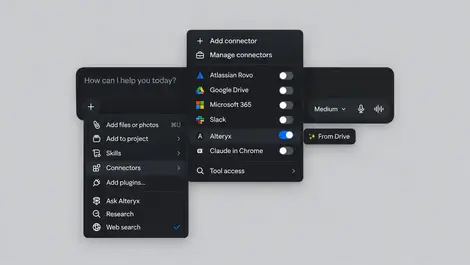
The update aims to cut AI costs and governance risks by reusing approved workflows and data inside tools such as ChatGPT and Copilot.
The private previews aim to help security teams spot exploitable code chains and connect AI agents to Rubrik's governance tools more safely.
The open-source release could cut the time and coding needed to build quantum applications for researchers using standard PCs and GPUs.
Defenders now have minutes, not hours, as attackers use agentic AI to automate credential theft, scanning and extortion across live operations.
Rising inference demand and custom hardware needs are pushing AI infrastructure beyond standard cloud setups, boosting open source tools.
Software agents could cut search time and token use by querying code history across repositories, commits and session transcripts.
Developers can now let Copilot switch models mid-task as GitHub trials a system that cut benchmark costs by up to 67 per cent.
The new tool aims to catch Bitcoin software flaws between formal audits after a regression led to more than USD $116 million stolen.
Organisations using Microsoft automation can now keep credentials out of scripts, reducing the risk of exposed secrets in cloud workflows.
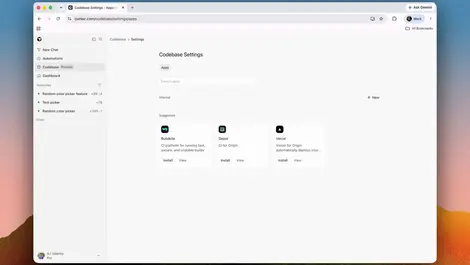
Paid Cursor subscribers can now host repositories and manage pull requests in one place, as Origin enters early beta against GitHub and GitLab.
A Windows Defender zero-day is leaving organisations exposed to SYSTEM-level takeover until Microsoft issues an official fix.
Software teams using AI coding agents face faster pull request volumes, as Harness pairs a new repository with risk-based review tools.
Shared code channels could keep AI-assisted development visible to whole teams, with human sign-off still needed before production releases.
Developers can now run OpenClaw and Hermes without setting up servers, as Cloudways adds managed hosting to cut deployment and maintenance work.
Cybersecurity experts warn single-person approvals are now vulnerable after an AI agent used fabricated identities to slip malicious code past checks.